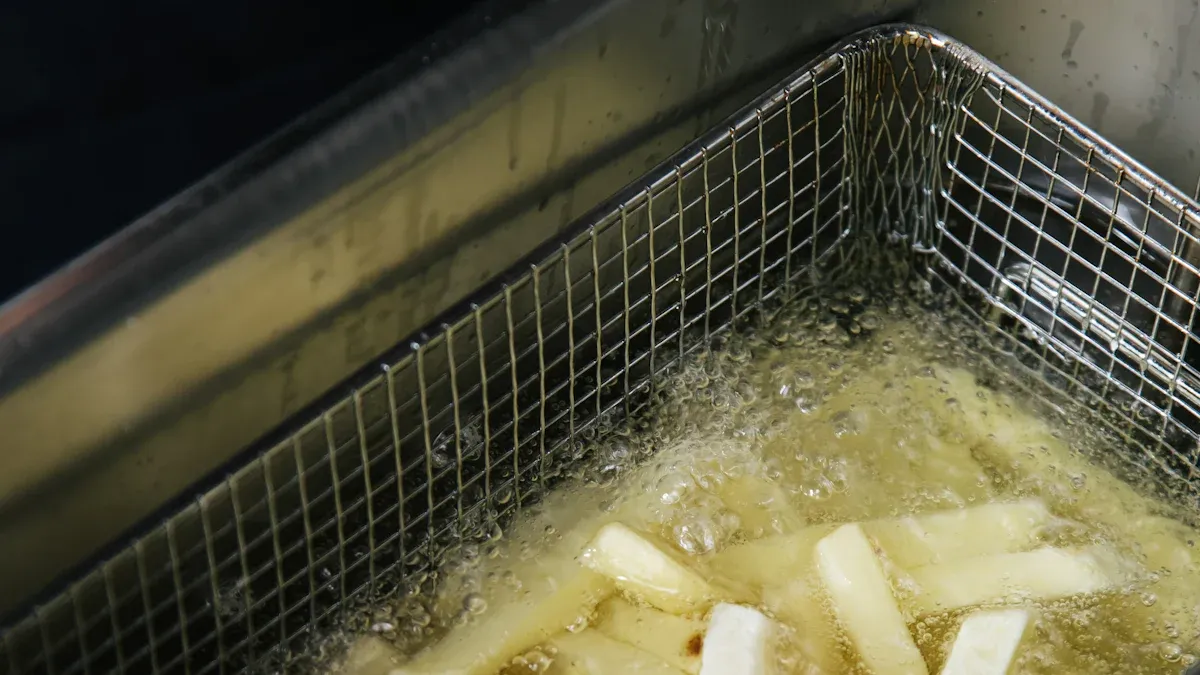
Many people ask if air fryers offer a healthy cooking option. The global air fryer market shows significant growth, with one projection indicating a Compound Annual Growth Rate of 9.47% from 2025 to 2032. Another forecast predicts a CAGR of 7.4% from 2024 to 2033. This popular appliance cooks food by circulating hot air. It creates a crispy texture similar to deep-frying but uses much less oil. This method aims to provide a healthier alternative for various dishes.
Key Takeaways
- Air fryers cook food with hot air, using much less oil than deep frying.
- This cooking method helps reduce fat and calories in your meals.
- Air fryers can cook food faster than regular ovens, saving time and energy.
- Some air fryers have non-stick coatings that might contain harmful chemicals; choose models with stainless steel or ceramic.
- Cooking at very high temperatures in an air fryer can create some unhealthy compounds.
- Always use healthy oils with high smoke points, like avocado or olive oil, in small amounts.
- Clean your air fryer often to keep it safe and working well.
- Air fryers are great for busy families and people who want to eat healthier.
Understanding How an Air Fryer Works

An air fryer uses a unique method to cook food. It creates crispy textures similar to deep-frying but with significantly less oil. Understanding its mechanics helps users appreciate its health benefits and versatility.
The Science Behind Air Frying
Rapid Air Circulation Technology
An air fryer cooks food using a powerful method called convection. A heating element radiates heat downwards. A fan then rapidly circulates this hot air around the food. This process efficiently transfers heat and ensures even cooking. The compact design of air fryers enhances this efficiency. It contains and actively flows all air around the food. Some models also use far infrared radiation. These electromagnetic waves vibrate molecules within the food. This generates thermal energy and accelerates internal cooking. The cooking process involves radiant heat from a heater element above the food. Strong upward-moving air streams generate convection heat. These two heat sources focus entirely on the food. Every circulation cycle forces all air to pass over the food, ensuring no idle air. This rapid airflow intensely transfers heat to all parts of the food, even penetrating thick items. The radiation heat from the element goes deep beneath the surface. This high heat transfer rate allows air fryers to achieve cooking results similar to deep frying. They use air as the heat carrier instead of oil.
Maillard Reaction for Browning
The Maillard reaction is a chemical process. It happens between amino acids and reducing sugars when food cooks at high temperatures. This reaction creates the brown color and savory flavor in many foods. Air fryers excel at triggering the Maillard reaction. The intense, dry heat and rapid air circulation quickly remove surface moisture from food. This allows the exterior to brown and crisp effectively, mimicking the results of traditional frying.
Key Components of an Air Fryer
Heating Element and Fan
Every air fryer contains a heating element and a powerful fan. The heating element generates intense heat. The fan then distributes this heat evenly throughout the cooking chamber. This powerful 1500W motor ensures fast preheating and rapid cooking. It significantly reduces meal preparation time while locking in flavor and moisture.
Cooking Basket and Chamber
Food rests inside a cooking basket. This basket sits within a larger cooking chamber. The design allows hot air to circulate completely around the food. A spacious 4L non-stick basket can fit food for 4-5 people. The non-stick, dishwasher-safe basket and crisper plate ensure easy cleaning and even cooking without shaking.
The Health Benefits of Using an Air Fryer
Air fryers offer significant health advantages. They notably reduce fat intake. This makes them a popular choice for health-conscious individuals.
Significant Reduction in Fat Intake
Less Oil Compared to Deep Frying
Air fryers use minimal oil. This contrasts sharply with deep frying. Deep frying submerges food in large amounts of oil. Air fryers circulate hot air instead. This method eliminates a substantial amount of fat. Studies show air-frying results in significantly less fat in the final product compared to deep-fried french fries. Some brands claim air fryers can reduce fat content by up to 75% compared to deep frying. Overall, air fryers can eliminate approximately 70% to 80% of fat content and calories from food compared to traditional oil frying methods.
Lower Calorie Meals with an Air Fryer
Reduced oil directly translates to fewer calories. Air-fried foods can reduce calorie content by 70% to 80%. For example, air-fried foods may only require one teaspoon of oil, adding about 42 calories. Deep-fried foods can absorb about one tablespoon of canola oil, contributing around 126 calories. This difference significantly lowers the caloric impact of meals.
Supporting Weight Management Goals
Encouraging Healthier Eating Habits
Air fryers make healthy cooking accessible. People can easily prepare lean proteins and vegetables. This encourages individuals to cook more at home. Home cooking generally leads to healthier eating habits. It allows for better control over ingredients.
Facilitating Portion Control
The cooking basket of an air fryer has a defined size. This naturally helps with portion control. Users often cook single or family-sized portions. This prevents over-preparation and overeating. The compact nature of the appliance supports mindful eating.
Decreased Exposure to Harmful Compounds
Acrylamide Reduction in Air-Fried Foods
Many people believe air frying reduces harmful compounds like acrylamide. Acrylamide forms in starchy foods cooked at high temperatures. However, research presents a different picture. The European Food Safety Authority (EFSA) reports that hot air fryers produce 30–40% more acrylamide than conventional deep fryers. One study found air-fried potatoes had the highest acrylamide content. This suggests air-frying does not lead to a reduction in acrylamide formation for certain foods.
Minimizing PAHs and HCAs
Polycyclic Aromatic Hydrocarbons (PAHs) and Heterocyclic Amines (HCAs) are other harmful compounds. They form when meat cooks at very high temperatures, especially when charred. Air frying generally cooks food more evenly. It also uses lower temperatures than grilling or charring. This can help minimize the formation of PAHs and HCAs. The method avoids direct contact with flames or excessive oil breakdown.
Nutrient Preservation in Air-Fried Dishes
Retaining Essential Vitamins and Minerals
Air frying offers advantages for nutrient retention. It avoids cooking methods that can deplete certain vitamins and minerals. Amanda, a dietitian, explains that heat generally destroys Vitamin C. This happens regardless of the cooking method, including air frying, microwaving, boiling, or roasting. However, air frying provides a benefit over boiling. It does not involve a cooking liquid where minerals and other vitamins can leach out. She recommends a mixed diet of both cooked and uncooked vegetables. This ensures a full complement of nutrients. Some vitamins absorb better after cooking. Others, like Vitamin C, preserve better in their raw form.
Research also shows air frying can increase beneficial compounds. One study found air frying significantly increases the Total Phenolic Content (TPC) in Brassica vegetables. This happens compared to other thermal processing techniques. For example, air frying at 160°C for 10 minutes produced TPC values from 1.76 ± 0.11 mg GAE/g DW (green cabbage) to 5.87 ± 0.23 mg GAE/g DW (broccoli sprouts). These values were higher than those reported for kale leaves (1.37mg/g on a fresh weight basis) in another study. This method uses higher temperatures (above 140°C) for shorter durations. Continuous hot air circulation helps preserve nutrients and phenolic compounds. It prevents leaching, unlike methods that use cooking liquids. This study was the first to evaluate air frying’s impact on Brassica vegetables’ compositional changes.
Gentle Cooking Process of the Air Fryer
The air fryer’s cooking process is relatively gentle. It uses circulating hot air to cook food. This method avoids harsh direct heat or submersion in oil. The rapid air circulation cooks food quickly and evenly. This minimizes the time food spends exposed to high temperatures. Less exposure helps preserve heat-sensitive nutrients. The absence of cooking liquids also prevents water-soluble vitamins and minerals from dissolving and being discarded. This ensures more nutrients remain in the food.
Versatility for Healthy Cooking with an Air Fryer
An air fryer provides great versatility for healthy cooking. It allows users to prepare a wide range of dishes. This encourages healthier eating habits at home.
Wide Range of Healthy Air Fryer Recipes
The air fryer handles many healthy ingredients. Users can cook lean proteins like chicken breast or fish. They can also roast various vegetables such as broccoli, carrots, or bell peppers. The appliance makes crispy chicken tenders or roasted vegetables quickly. It also roasts nuts or dehydrates fruits. This wide range of options supports diverse and nutritious meal planning. It helps individuals maintain a balanced diet.
Promoting More Home-Cooked Meals
The convenience of an air fryer encourages more home cooking. Its speed and efficiency make meal preparation easier. Busy households can quickly prepare healthy, home-cooked meals. This reduces reliance on takeout or pre-packaged foods. Home cooking allows individuals to control ingredients. They can choose fresh produce and limit unhealthy additives. This promotes overall healthier eating habits for families.
Potential Risks and Concerns with Air Fryers
While air fryers offer many health benefits, users must also understand potential risks and concerns. These issues primarily relate to the formation of harmful compounds, the safety of non-stick coatings, and the impact of overcooking.
Formation of Potentially Harmful Compounds
Cholesterol Oxidation Products (COPs)
Air frying can lead to the formation of Cholesterol Oxidation Products (COPs). These compounds develop when cholesterol breaks down under high heat. Studies show air frying fish can increase COPs. For instance, levels in raw samples rose significantly after air frying. Researchers link COPs to serious health issues. These include coronary heart disease, hardening of the arteries, and certain cancers. A study on sardine fillets indicated that air frying increased COP formation, which can harm human health.
Advanced Glycation End Products (AGEs)
Air frying can also contribute to the formation of Advanced Glycation End Products (AGEs). These compounds form when proteins or fats react with sugars at high temperatures. Traditional high-temperature frying methods, like deep-fat frying, generate substantially higher AGE levels. However, air frying can still contribute to their formation, especially with extended cooking times above 180°C. High heat also raises the risk of AGEs, which degrade nutrients. Overcooking at temperatures above 180°C substantially increases the formation of AGEs, COPs, and other carcinogens. Air frying can also lead to lipid oxidation, forming cholesterol oxides and degrading n3-fatty acids. Additionally, it produces secondary oxidation products and volatile compounds. Air frying can compromise food quality by contributing to the formation of AGEs, aroma compounds, acrylamide, and hydroxymethylfurfural. Furthermore, air-fried beef brushed with oil showed significantly higher levels of Benzo[a]pyrene (BaP) compared to air frying without oil. Air fryers also generate indoor air pollutants. Particulate matter (PM10) emission factors can be 2.1 to 5.4 times higher than pan cooking. Volatile organic compound (VOC) emissions are 2.5 to 4.8 times higher compared to pan cooking for certain foods.
Non-Stick Coating Safety in Air Fryers
Understanding PFAS and PFOA Exposure
Many air fryers feature non-stick coatings. These coatings often contain chemicals like PFAS (per- and polyfluoroalkyl substances) and PFOA (perfluorooctanoic acid). PFOA is classified as a probable carcinogen and a suspected hormone disrupter. It persists in the body and the environment. Residual PFOA can release from non-stick coatings when heated, even after fabrication. Inhaling toxic fumes, particularly from overheating PTFE-coated pans, can lead to “polymer fume fever,” also known as “Teflon flu.” This condition causes serious respiratory distress and can occur even during normal use. Exposure to PFOA and PFOS (perfluorooctane sulfonate) has been linked to a nearly twofold increased risk of preterm birth. Other PFASs are also associated with increased risk of preterm birth and low birth weight. PFAS exposure negatively affects blood glucose regulation during pregnancy, increasing the risk of gestational diabetes. Higher exposure to PFOS and PFOA has been linked to an increased risk of type 2 diabetes in later years.
Best Practices for Safe Air Fryer Use
Consumers can take steps to minimize exposure to harmful chemicals from non-stick coatings. Avoid air fryers made with PFOA, PFTE, Phthalates, and BPA. Opt for air fryers constructed with stainless steel, glass, or ceramic components instead of non-stick coatings. Maintaining a clean air fryer also helps. This prevents food particles from burning and forming poly-fluoroalkyl compounds.
Risk of Overcooking and Food Dryness
Impact on Food Texture and Palatability
Overcooking food in an air fryer can negatively impact its texture and palatability. While cooking meat generally improves aroma and tenderness, excessive heat treatment can lead to undesirable changes. These include dimming, hardening, and a loss of tenderness, taste, and odor. The temperature and duration of cooking significantly influence the lipid content of meat, partly due to moisture reduction and water evaporation.
Nutrient Loss from Excessive Cooking
Overcooking also affects the nutritional quality of food. It can increase acrylamide levels and burn off essential nutrients. Prolonged high-heat exposure can diminish heat-sensitive nutrients, such as vitamin C. Increased cooking time and temperature for red meat have been linked to an elevated risk of certain cancers. To preserve nutritional value, avoid overcooking. Pair air-fried foods with raw or lightly cooked produce.
Energy Consumption and Environmental Impact of Air Fryers
Appliance Energy Usage Considerations
Consumers often consider the energy consumption of kitchen appliances. Air fryers generally use less electricity than conventional ovens for similar cooking tasks. This efficiency comes from their smaller size and rapid heating capabilities.
| Appliance | Average Wattage (W) | Estimated kWh Usage (2 hours) | Monthly Cost (30 min/day) |
|---|---|---|---|
| Air Fryer | 800–2,000 | 1.60–4.00 | $6.90 (at 1.4 kWh) |
| Electric Oven | 2,000–5,000 | 4.00–10.00 | $17.26 (at 3.5 kWh) |
An electric oven uses more than double the electricity per hour compared to an air fryer. For example, a meal cooked in an air fryer might cost about $0.20 in electricity. An oven could cost $0.50 or more. Gas ovens typically cost less to operate per hour than electric ovens. However, they still consume more energy overall because they heat a larger space. Microwaves remain the most economical choice for quick heating tasks, costing around $0.19 per hour.
Air fryers also offer energy savings compared to deep fryers.
| Cooking Method | Energy Consumption (Watts) | Energy Savings (%) |
|---|---|---|
| Deep Fryer | 2000 | N/A |
| Air Fryer (SAF-4567) | 1500 | 30-40% |
| Chicken Wings (Air Fryer vs. Deep Fryer) | N/A | 62% |
| French Fries (Air Fryer vs. Deep Fryer) | N/A | 45% |
| Fish Fillets (Air Fryer vs. Deep Fryer) | N/A | 50% |
Air fryers typically consume between 1.4 to 1.8 kWh per use. Deep fryers consume between 1.0 to 3.0 kWh per use. Air fryers can reduce preheating times by up to 75%. They also cut cooking times by up to 50% compared to deep fryers. For instance, a Sayona Air Fryer uses 0.32 kWh for 32 minutes of cooking. This costs approximately 6 Kenyan Shillings. A pressure cooker consumes 0.42 kWh for one hour, costing about 10 Kenyan Shillings.
Manufacturing Footprint of Air Fryers
The production and disposal of kitchen appliances like air fryers have environmental consequences. Manufacturers use various materials to build these devices.
| Aspect | Environmental Impact |
|---|---|
| Manufacturing Materials | |
| Metals (Stainless Steel, Aluminum) | - Energy-intensive extraction and processing. - Significant greenhouse gas emissions. |
| Plastics (Petroleum-derived) | - Contributes to pollution. - Releases toxic chemicals. |
| Non-stick Coatings (PTFE) | - Historically involved PFOA (environmental and health issues). - Modern alternatives are PFOA-free. |
| Disposal | |
| E-waste | - Contains hazardous substances (heavy metals, chemicals from coatings and circuits). - Improper disposal contaminates soil, water, and air. |
| Lifespan | - Shorter-lived models increase e-waste. |
| Operational & Supply Chain | |
| Electricity Source | - Influences the overall carbon footprint based on the energy source used to power the appliance. |
| Global Supply Chain | - Energy consumption and emissions from raw material extraction to transportation. |
The manufacturing process for air fryers involves metals like stainless steel and aluminum. Extracting and processing these metals requires substantial energy. This process also produces greenhouse gas emissions. Plastic components, derived from petroleum, contribute to pollution. They release toxic chemicals into the environment. Non-stick coatings, often made from PTFE, historically involved PFOA. This chemical has links to environmental and health problems. However, many modern coatings are now PFOA-free.
Disposing of air fryers presents another environmental challenge. They become electronic waste (e-waste). E-waste contains hazardous substances. These include heavy metals and chemicals from non-stick coatings and electronic circuits. Incorrect disposal can contaminate soil, water, and air. The lifespan of an appliance also matters. Cheaper models often have shorter lifespans. This increases the amount of e-waste. The overall carbon footprint also depends on the electricity source used to power the appliance. Furthermore, the global supply chain, from raw material extraction to transportation, consumes energy and produces emissions.
Air Frying Compared to Other Cooking Methods
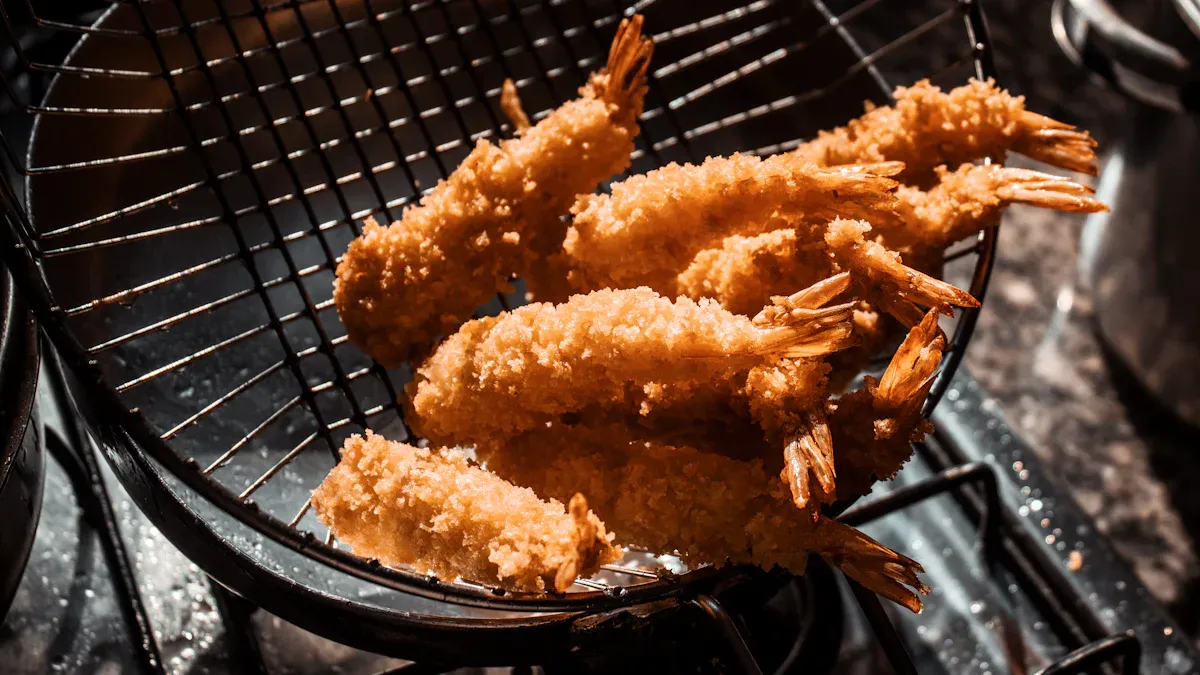
Consumers often evaluate cooking methods based on health, efficiency, and results. Air frying offers distinct advantages when compared to traditional techniques.
Air Frying vs. Deep Frying: A Health Comparison
Fat Content Differences
Air frying significantly reduces the amount of oil used in cooking. This directly impacts the fat content of the final dish. Deep frying submerges food in large quantities of oil. Air frying, conversely, uses hot air circulation with only a minimal amount of oil, if any.
| Frying Method | Oil Content (%) |
|---|---|
| Airfry | 2.98 ± 0.12 |
| Deep Fryer | 22.62 ± 1.18 |
This data shows a clear difference. Air-fried chips contained more than 7.5 times less fat compared to deep-fried chips.
The Healthier Alternative
Given the substantial reduction in oil, air frying presents a healthier alternative to deep frying. It allows individuals to enjoy crispy textures without the excessive fat and calories associated with traditional frying. This method supports dietary goals and promotes better overall health.
Air Frying vs. Baking and Roasting
Speed and Cooking Efficiency
Air frying often surpasses baking and roasting in speed and efficiency. The compact cooking chamber and rapid air circulation cook food much faster. This efficiency saves time and energy.
| Recipe | Air Fryer Cooking Time |
|---|---|
| Frozen French Fries | 12 minutes |
| Brussels Sprouts | 12 minutes |
| Chicken Wings | 10-15 minutes |
| Coconut Shrimp | 10 minutes |
Frozen French fries, for example, cook in 12 minutes using this method, compared to 25 minutes in a conventional oven. This speed results from instant preheating and continuous hot air movement. It also helps preserve natural flavors and nutrients.
Texture and Crispness Variations
Air frying excels at creating a crispy exterior, similar to deep frying, which baking and roasting often struggle to achieve. The intense, dry heat quickly browns food surfaces. Baking and roasting typically produce a softer texture.
Air Frying vs. Pan Frying
Oil Usage and Health Implications
Pan frying requires a moderate amount of oil to cook food. This oil can add significant fat and calories to meals. Air frying uses considerably less oil than pan frying.
- This method uses less oil than traditional frying methods, resulting in foods with lower fat and calorie content.
- A study showed that deep-fried French fries retained 10 times more oil compared to air-fried French fries cooked for the same duration.
This difference has positive health implications. It reduces the intake of unhealthy fats.
Achieving Even Cooking
Pan frying can sometimes lead to uneven cooking, with some parts of the food browning more than others. The circulating hot air in an air fryer cooks food more evenly. It ensures consistent results without constant turning or stirring.
Maximizing Health Benefits with Your Air Fryer
Individuals can significantly enhance the health benefits of their meals by using an air fryer effectively. This involves careful ingredient selection, optimal oil usage, and precise control over cooking settings.
Selecting Healthy Ingredients for Your Air Fryer
Prioritizing Lean Proteins and Vegetables
Choosing the right ingredients forms the foundation of healthy air-fried meals. Individuals looking to improve their diet find using an air fryer beneficial. They focus on nutritious ingredients like lean protein and vegetables to achieve the greatest impact. Recommended lean proteins for air frying include chicken, which becomes crispy, juicy, and versatile. Fish and seafood, such as salmon, tilapia, and shrimp, retain nutrients well when air-fried. Tofu offers a vegetarian option; it becomes crunchy for snacks or appetizers.
For vegetables, broccoli, carrots, and bell peppers make ideal side dishes with minimal oil. Air frying enhances the natural juiciness of zucchini and eggplant. Sweet potatoes provide a healthier alternative to regular fries. Zumpano states that an air fryer can “enhance healthier foods, so they’re even more tempting.”
Incorporating Whole Grains
Whole grains also benefit from air frying. Individuals can prepare crispy whole-grain bread for sandwiches or make crunchy granola. This method helps incorporate more fiber and essential nutrients into daily meals.
Optimal Oil Usage in an Air Fryer
Minimal Oil Application Techniques
Air frying requires very little oil, which contributes to healthier cooking. Users can achieve crispiness with just a light spray or a small brush of oil. This minimal application prevents food from drying out and helps achieve a golden-brown finish. Using a spray bottle for oil ensures an even, thin coating.
Choosing Healthy Cooking Oils
Selecting the right oil is also important. Healthy cooking oils with high smoke points are best for air frying. Avocado oil, olive oil, and grapeseed oil are excellent choices. These oils withstand the high temperatures of an air fryer without breaking down. They also add beneficial fats to meals.
Mastering Temperature and Time Control with Your Air Fryer
Preventing Overcooking and Burning
Precise temperature and time control are crucial for successful air frying. Overcooking can lead to dry, tough food and may increase the formation of harmful compounds. Users should follow recipe guidelines closely and check food periodically. This prevents burning and ensures optimal texture and flavor.
Ideal Settings for Various Foods
Different foods require specific temperature and time settings. Vegetables often cook well at 375°F (190°C) for 10-15 minutes. Lean proteins like chicken breast might need 350°F (175°C) for 15-20 minutes. Understanding these ideal settings helps users achieve perfectly cooked, healthy dishes.
Proper Cleaning and Maintenance of Your Air Fryer
Proper cleaning and maintenance are essential for any kitchen appliance. This ensures food safety and extends the life of the device.
Preventing Food Buildup and Contamination
Regular cleaning prevents food contamination and fire risks. It also helps meet hygiene standards. Users should clean components like baskets, trays, and pans daily. This removes immediate contamination risks. Weekly deep cleaning addresses harder-to-reach areas. These include heating elements and fans. Always unplug the appliance and allow it to cool completely before cleaning. Detachable parts should be cleaned with warm water and food-safe detergent. Non-stick surfaces require soft cloths or sponges to prevent damage. Internal surfaces should be wiped carefully. Clean heating elements without abrasive tools or soaking. All parts must be thoroughly dried before reassembly.
Extending the Lifespan of Your Appliance
Consistent cleaning and proper maintenance help an appliance last longer. Understanding daily procedures and long-term maintenance checks is important. This includes safe cleaning practices and identifying equipment faults. It also involves correct disassembly methods. Following these steps ensures the appliance remains in good working order.
Adapting Recipes for Your Air Fryer
An air fryer offers great versatility. Users can adapt many traditional recipes for this appliance.
Converting Traditional Recipes for Air Frying
Converting conventional oven recipes to an air fryer requires some adjustments. Reduce the temperature by 25°F to 50°F. Shorten the cooking time by 20% to 30%. This is because air fryers cook faster. Preheating the appliance is essential. It ensures even cooking and crispiness from the start. Preheat the basket for 3-5 minutes. This ensures accurate cooking times and consistent results. Use an oil mister or brush to apply a thin, even layer of oil. This adds texture and flavor. Avoid excess oil. Adapt coating techniques. Convert traditional breading to light panko or breadcrumbs. Whole wheat or gluten-free options work well for a crispy, golden crust. For small items, shake the basket every 5-7 minutes. This ensures even cooking. Avoid overcrowding the basket. Cook in a single layer. This allows hot air circulation. It prevents uneven cooking and soggy spots. Check for doneness early. Start checking a few minutes before the adjusted cooking time. Different models may vary.
Creative Healthy Meal Ideas
The appliance makes healthy cooking easy. Users can prepare a wide range of dishes. These include crispy chicken tenders, roasted vegetables, or even dehydrated fruits. It promotes more home-cooked meals. This reduces reliance on takeout. It also allows for better control over ingredients.
Who Can Benefit Most from an Air Fryer?
Many different people can find great value in using this versatile kitchen appliance. It offers solutions for various dietary needs and lifestyle demands.
Health-Conscious Individuals and Air Fryers
Those Seeking Lower Fat Cooking Options
Individuals prioritizing a healthier diet often look for ways to reduce fat intake. This appliance provides an excellent solution. It cooks food with significantly less oil than traditional frying methods. People can enjoy crispy textures without the added grease and calories. This makes it ideal for preparing meals that support a balanced lifestyle.
People Focused on Weight Management
For those managing their weight, the appliance becomes a valuable tool. It helps prepare lower-calorie meals by reducing oil use. This encourages healthier eating habits and better portion control. It supports weight management goals by making nutritious cooking easy and appealing.
Busy Households and the Air Fryer
Quick and Convenient Meal Preparation
Busy households often struggle to prepare healthy meals quickly. This appliance offers a practical solution. Its DualZone Technology allows cooking two different dishes simultaneously with separate settings. Features like Match Cook and Smart Finish synchronize cooking times, ensuring both baskets finish together. This streamlines meal preparation. A large 10-quart capacity, with each basket holding up to 5 quarts, suits family-sized meals or batch cooking. Its 6-in-1 functionality supports various cooking methods, reducing the need for multiple appliances. Nonstick, dishwasher-safe baskets and crisper plates simplify cleanup, adding to overall convenience.
Efficient Cooking Solutions
The appliance provides efficient cooking solutions. It preheats quickly and cooks food faster than conventional ovens. This saves valuable time during busy weeknights. Its compact design also saves counter space, making it a versatile all-in-one solution for baking, grilling, roasting, and reheating.
Families with Children and Air Fryer Meals
Healthier Kid-Friendly Food Options
Families with children often seek healthier alternatives for popular kid-friendly foods. This appliance makes many favorites healthier.
- Crispy Chicken Tenders: People can make chicken strips coated in breadcrumbs, Parmesan, and spices. They become golden and crispy. Serve them with homemade dipping sauce or sweet potato fries.
- Veggie-Packed Tater Tots: Grated zucchini, carrots, and potatoes combine with flour, cheese, and seasoning. Form them into tots and cook until crispy. This adds vegetables in a healthy way.
- Air-Fried Apple Chips: Thinly slice apples and sprinkle them with cinnamon and sugar. Cook them for a warm, caramelized snack rich in fiber and vitamins.
- Pizza Rolls: Use pre-made dough or crescent rolls filled with cheese, pepperoni, and vegetables. Cook them until crispy and gooey. This offers a healthier alternative to store-bought versions.
- Homemade Fish Sticks: Coat strips of fresh fish in panko breadcrumbs and seasonings. Cook them until golden and crispy. This provides omega-3 fatty acids for brain development.
- French fries: Frozen French fries cook at 200°C until crisp and golden. This offers a simple alternative to oven baking.
- Sausages: Sausages cook quickly at 180°C for 10-15 minutes without additional oil. They are suitable for breakfast or a quick meal.
- Boiled eggs: Eggs cook at 180°C for 8-14 minutes to achieve soft or hard-boiled consistency. This provides an easy method for preparing eggs.
A Safer Cooking Method for Home
This appliance offers a safer cooking method compared to deep frying. It eliminates the need for large amounts of hot oil, reducing the risk of burns and oil splatters. This makes it a safer choice for families cooking at home.
Individuals with Dietary Restrictions
Individuals with specific dietary needs find the appliance highly beneficial. It offers versatile cooking solutions for various restrictions.
Gluten-Free Cooking in an Air Fryer
The appliance effectively prepares gluten-free meals. It allows cooks to substitute traditional high-carb breading ingredients. For example, almond flour serves as an excellent base for a keto and gluten-free breading. This replaces typical bread crumbs or all-purpose flour. Other ingredients like grated Parmesan cheese, Cajun seasoning, paprika, and garlic powder enhance flavor. These additions adhere to dietary restrictions. Nonstick cooking spray, such as Chosen Avocado Oil Spray, also supports healthier cooking. This method ensures crispy results without gluten.
Low-Carb and Keto-Friendly Options
The appliance is highly effective for preparing a wide array of low-carb and keto-friendly meals. It offers crispy results with minimal mess. It circulates hot air to achieve crispiness with little to no oil. This process is similar to a deep fryer but healthier. For instance, in Keto Fried Chicken, almond flour is the essential breading ingredient. It provides a super crisp texture and acts as a carrier for seasonings. Preparation involves coating chicken pieces with a mixture of spices and almond flour in a zip-top bag. Then, cooks air fry the chicken until it reaches an internal temperature of 165 degrees F (75 degrees C). This method allows for easy, flavorful, and diet-compliant meal preparation.
Many recipes cater to these dietary needs. Examples include:
- 7-Ingredient Keto Air Fryer Salmon
- Keto Air Fryer Green Beans
- Keto Chicken Parmesan Recipe
- Keto Parmesan Crusted Chicken
- Juicy Marinated Chicken with No Breading
- Keto Onion Rings
- Keto Fried Okra
- Keto Fried Chicken
- Keto Brussels Sprouts
- Keto Chicken Drumsticks
- Keto Asparagus
- Keto Tortilla Chips
- Keto Zucchini Fries
- Crisp Tender Broccoli
- Chicken Thighs
- Keto Avocado Fries
- Keto Turkey Meatballs
- Filet Mignon
- Keto Chicken Nuggets
These options demonstrate the appliance’s versatility. It supports individuals maintaining low-carb or ketogenic diets.
Air fryers can be a healthy addition to your kitchen. They offer significant advantages by reducing oil usage, which lowers calorie and fat content in meals. This helps decrease the risk of obesity and heart disease. Air frying also retains more nutrients and produces fewer harmful compounds like acrylamides compared to deep-frying. However, users must consider potential risks. These include the formation of cholesterol oxidation products and PAHs at high temperatures. Non-stick coatings can also pose concerns if damaged. To ensure the healthiest cooking, cook potatoes below 356°F, pre-soak them, and avoid non-stick coatings with PTFE and PFOA. Minimize added oil whenever possible.
FAQ
Are air fryers healthier than deep frying?
Yes, air fryers use significantly less oil than deep frying. This reduces fat and calorie content in meals. They offer a healthier alternative for crispy foods.
Do air fryers reduce harmful compounds like acrylamide?
Research indicates air frying may not reduce acrylamide in some foods, like potatoes. Some studies even show higher levels compared to deep frying. Users should cook at lower temperatures.
What are the best oils to use in an air fryer?
Use healthy cooking oils with high smoke points. Avocado oil, olive oil, and grapeseed oil are excellent choices. They withstand high temperatures without breaking down.
Can an air fryer help with weight management?
Yes, air fryers support weight management. They enable lower-calorie meal preparation by reducing oil use. This encourages healthier eating habits and portion control.
Are non-stick air fryers safe to use?
Many non-stick coatings contain PFAS or PFOA. These chemicals pose health concerns. Consumers should choose air fryers with stainless steel, glass, or ceramic components for safety.
How does an air fryer save energy?
Air fryers save energy because they preheat quickly and cook food faster than conventional ovens. Their compact size also contributes to greater energy efficiency.
What types of food are best for air frying?
Air fryers excel at cooking lean proteins like chicken and fish. They also perfectly crisp vegetables such as broccoli and sweet potatoes. Whole grains can also be air-fried.
Post time: Jan-12-2026